
From Shame to Strength
She has an ultra-rare neuromuscular disease.
So rare, worldwide prevalence is estimated at one person in 1 million people. Apparently, there are only 40 reported cases in the UK, out of these 40 she only knows about half of them.
Life wasn’t always this way.
It was only when she was pregnant that significant symptoms developed which eventually revealed that she has a condition called GNE myopathy (GNEM). GNEM causes muscles in the arms and legs to become increasingly weak. Symptoms usually occur in early adulthood, just as one is beginning to make major decisions about their lives. There is currently no treatment or cure for GNEM.
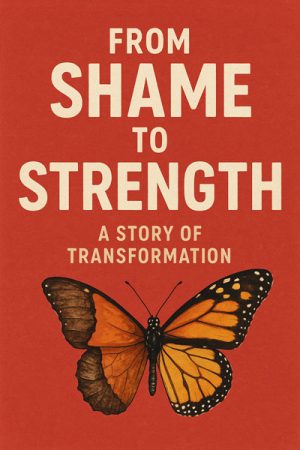
Today, 17 years later she is still the same She: lively, funny, stylish, generous, a social butterfly and world traveller. The only visible difference to the other person is that she is in a wheelchair as a result of the condition.
In conversation she casually said, ‘I used to feel a lot of shame, but it doesn’t bother me at all now’. As a follower of Brene Brown’s research on shame and shame resilience, I asked She to dig deep into her heart and mind to reveal her resilience as shame transformed in her life story.
The story goes like this:
Initial signs started with random trips and falls which were not relatable as neurological concerns to the average person. Family and friends would laugh it off as clumsiness or as though it was all in her mind. This was okay for a while until she started feeling in her gut that it was more serious. The push back and lighthearted dismissal from people continued until rushing into work one day, she had another bad fall. Her knees were bleeding, her trousers were torn and she felt embarrassed, angry and distressed. When she reached her office, a couple of colleagues tried to console her of the shock and then she broke down. One of the colleagues, a professor, advised her to see her doctor as her symptoms were unusual. This was the incident that led her to seek medical attention. This took about three years of never-ending tests, painful and uncomfortable but necessary.
Before the diagnosis came in, and seven months pregnant, she had had a car accident due to the neuromuscular condition. Luckily, no one was hurt, but She was shocked, ashamed and scared. She wept and her husband comforted her. They both cried. For the first time in their relationship, he shared a vulnerability story of his own, and how he did not wish for her to be in this difficulty. An authentic moment of love, unity, and sorrow. This moment was a turning point, she knew she had the support she needed. Then, his next words had impact: ‘I don’t want you to be sad about this ever again, because that will not change anything. Whatever happens, we will deal with it together’.
And so they did.
Her body movements and walking ability had started to change. When she received the diagnosis, she was relieved of the certainty as this meant that she had means to explain to people what was going on for her physically. However, emotionally the diagnosis left her feeling isolated and vulnerable. Pragmatic by nature, she didn’t get down but was experiencing an internal panic about how she will cope with her life if the condition got worse affecting her independence.
The disability insensitively progressed. Stage-by-stage she had to find the equipment and aids to support herself – a walking stick, then two sticks, a walker, a scooter, modified cars, adapting her house, her workplace – it seemed endless. She really didn’t want any of this but eventually it was about safety. The idea of eventually needing an electric wheelchair troubled her until a disabled friend said to her, ‘Don’t worry about that, you’ll have more energy’. And she was right.
Mona made a decision to be honest about her condition with family, friends and colleagues so that they didn’t make assumptions. As she expressed her truth she understood that no one was judging her. They had been sad for her situation, but they were genuine also. The idea that this was her new identity was just a notion in her mind, others still saw and valued her for who she is as a person, not her condition. When this aspect of guilt, shame and stigma peeled away, she decided even if it’s more effort, nothing will be compromised. So her contributions to her career, voluntary work, family, friends and travelling, remains her way of life. Her message conveyed:‘I have a disability without it taking away my spirit’.
A deeper exploration into the mindset:
Shame:
What Shifted Shame:
When she began to understand her condition better and was able to manage how she informed others about it. Recognising: ‘I am still loved and valued no matter what’. Others made her feel like she can still be herself and this gave her a chance to trust again. When the trust increased, the shame dissipated. When she realised that shame was her issue and not anyone else’s, shame just left. Now, there is a clear path of determination to fulfil her purpose.
Thinking Strategy:
Purpose:
Acceptance:
Thankful For:

Questions:
What Wisdom Can You Impart?
What Do You Want To Be Known For?
What Are You At Peace With?
SHE IS THE 2019 RECIPIENT OF THE INSPIRE WOMEN ‘HER-ABILITIES’ AWARD, CELEBRATING INSPIRATIONAL WOMEN.
The ‘HER-Abilities’ award at the 2019 Inspire Women Awards for her outstanding commitment to promoting inclusivity in her professional and voluntary work. More about the ‘HER-Abilities’ award here.

Links & Social Media Support Groups: